
Practical Advice

Guidance & Tips Sheets

Below is a list of all our Guidance & Tips sheets - they are easy to use and ready for you to print off.

Click on titles to expand and collapse.

Dental care

Dental care is crucial in toddlers. You can protect your toddler’s teeth and prevent tooth decay by regular brushing with a fluoride toothpaste, and sensible eating and drinking habits.

Weaning

Weaning is the process of introducing solid foods to a baby's diet. This guide gives advice on how and when to introduce appropriate foods to your toddler.

Weaning - new tastes and textures
How to get enough iron in your toddler's diet

Iron is an important part of a toddler's diet as it prevents them from becoming anaemic.

There are lots of ways you can include iron in your toddler's meals and snacks. Drinks are also important as some help the body to absorb iron and some reduce the absorption of iron by the body. For example, the vitamin C in fruit juice helps the absorption of iron from foods such as pulses, cereals and vegetables.

How to get enough iron in your toddler's diet: the facts
Salt in your toddler's diet

Salt is essential in your toddler's diet as it is important for their growth, muscle, stomach, nerve function and blood. However, too much salt can cause health problems later in life, such as high blood pressure. It's important to keep your toddler's salt intake at a healthy level by doing simple things such as not adding salt to food at the table.

Salt in your toddler's diet
Combining food for a balanced diet

Your toddler will get all the nutrients and energy they need if their diet is based on combining foods from the five different food groups.

Three balanced meals a day of toddler-sized portions, plus two or three nutritious snacks should do the trick.

Combining food for a balanced diet
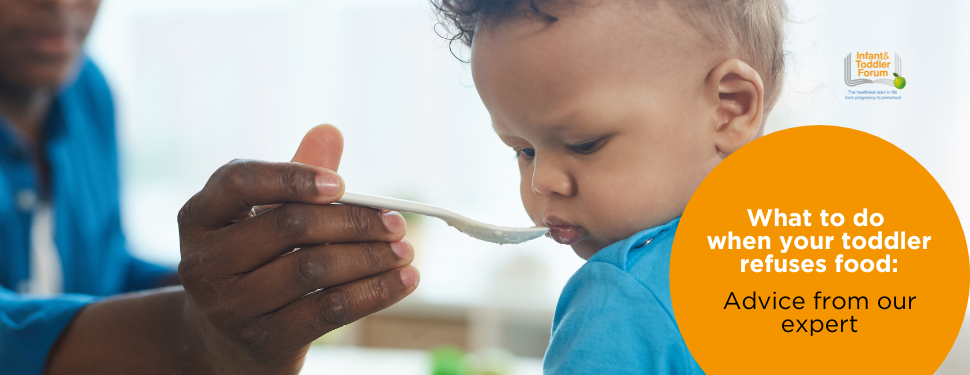
Why toddlers refuse food

Toddlers might not eat well if they tired or over-hungry. Snacks evenly spaced between meals will help to avoid the frustrations of being over-hungry. It's important to remember that your toddler's food intake will vary from day to day, so don't worry if some days are better than others!

Why toddlers refuse food: a normal phase
Faddy eating

Toddlers have individual tastes regarding the flavour and texture of foods – just like you! Remember, tastes often change overtime, so it's important to keep offering your toddler all the foods the family eats.

How to manage your toddler's faddy eating: things to avoid
Extreme food refusal

Don't worry, most toddlers grow out of the problem of food refusal and eventually learn to eat a variety of foods. Eating is like any other process and will take time for your toddler master.

How to cope when your child shows extreme food refusal: things to avoid
How to broaden your child's food experience

You're your toddler's number one role model. Eating in social groups and praising toddlers when they eat well will encourage them to enjoy their meals. It may also help them to learn to eat new foods.

How to broaden your child's food experience
How to maintain a healthy weight for toddlers

The link between childhood obesity and adult obesity and its influence on your toddler's long term health is clear. It's never too early to encourage healthy eating habits and the toddler years are an ideal time for families to make lifestyle changes to ensure your toddler maintains a healthy weight.

Obesity in toddlers: the facts
Choosing healthy foods for toddlers

A healthy balance of foods in your toddlers diet is based on a combination of foods from the five different food groups, which can be provided by both fresh and convenience foods. Convenience foods can still be nutritious and toddlers may even find some more edible, such as frozen vegetables, which still have high levels of vitamin C. Labels on foods provide important nutritional information, including ingredients that can cause food allergies.

Understanding food labels
Food allergies in toddlers

Food allergy or intolerance in your toddler will be diagnosed by a healthcare professional, and it is important that you follow the advice given. You need to continue to provide them with a healthy balanced diet, including providing suitable alternatives to those foods they are allergic to. Being aware that the foods they are allergic to may be used as an ingredient in other foods and checking food labels is also important.

Avoiding milk
Bookmark and Share

Real Mums, Real Dads

We've spoken to hundreds
of parents about feeding
toddlers. We
understand the
pressures you face -
read how other
parents like you give
their toddlers
the nutrition they
need.

Helpful Tools

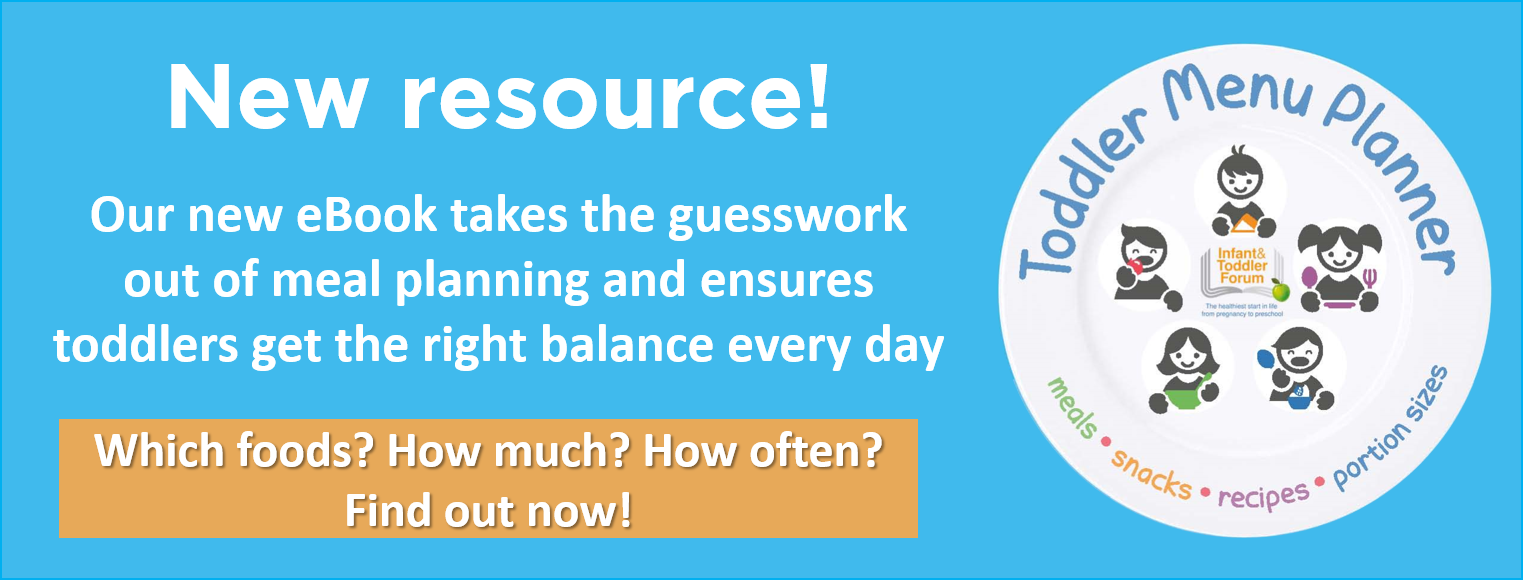
A selection of easy to use, handy tools to help you plan a healthy, balanced diet for your toddler


Click here for more...